Managing a chronic health condition.
You know your body well enough to know something is wrong. The challenge isn't feeling it — it's understanding it, and eventually being able to explain it to someone else.
For people managing something that doesn't always show up on tests.
Maybe you have a diagnosis — POTS, fibromyalgia, IBS, MCAS, an autoimmune condition, migraines that won't explain themselves. Maybe you're still looking for one. Either way, you've probably spent time trying to describe something real in an appointment that lasts fifteen minutes.
Best Life is for people who are living inside a condition every day and want a way to understand it better — not a way to gamify it, not a reason to feel bad about bad days, just a clear record of what's actually happening over time.
You don't need to be organized. You don't need to log every single day. You just need to log consistently enough that patterns can start to surface.
Start with what you already notice.
Most people start by logging two or three things they already pay attention to every day. You can add more over time. Best Life handles the structure — you just fill it in.
Environmental data (weather, pollen, barometric pressure) is pulled in automatically based on your location — no extra logging needed.
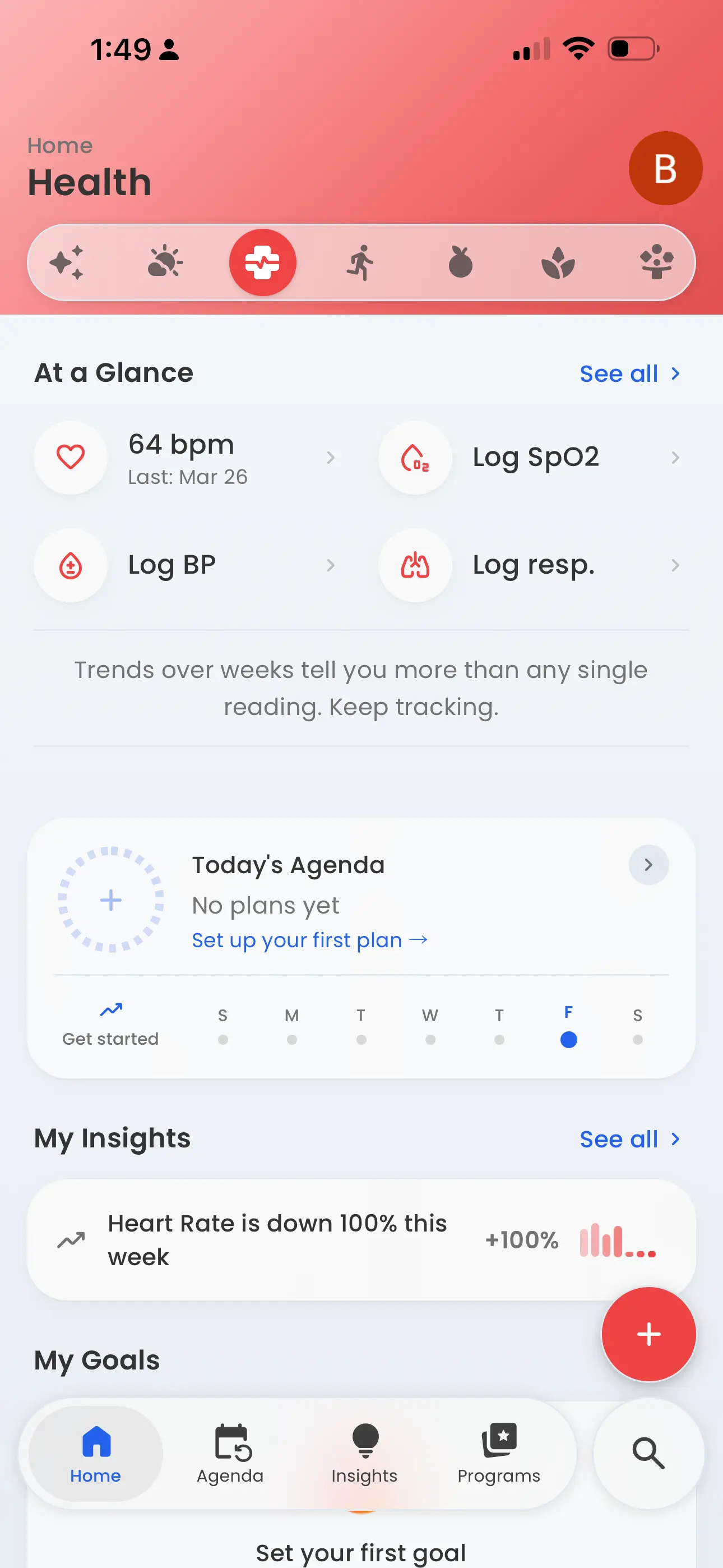
The same things you'd write in a waiting-room form — but in a format that adds up over time.
Patterns you couldn't see before.
Your symptoms follow patterns.
Once you have a few weeks of data, you start seeing things you couldn't see before. Maybe your worst days cluster around weather changes. Maybe you crash two days after pushing yourself, not one. Maybe there's a Tuesday pattern you never would have caught without writing things down.
Some things help more than you thought.
And some things help less. Tracking consistently means you can start separating what actually moves the needle from what you were just hoping would work. That's not a small thing.
You have something to bring to appointments.
A month of logged data is a different conversation than "I've been feeling pretty bad." Best Life doesn't interpret your data for your doctor — but it gives you a clear record to share, in a format that's easy to read.
Built for longitudinal understanding, not daily scorecards.
Most health apps are built around today. Best Life is built around the last six months. That's a meaningful difference when what you need is a picture that only emerges over time.
Flexible symptom logging
Track what matters to you in the format that makes sense for your condition. No generic templates you have to work around.
Automatic environmental enrichment
Weather, barometric pressure, AQI, pollen, and humidity are pulled in from your location — so you can see if your symptoms correlate without logging a single extra thing.
Insights that emerge over time
Correlations and patterns that only become visible across weeks and months — not just a dashboard for today.
A record that's yours
Your data never leaves your control. Built on LLIF — a 501(c)(3) nonprofit infrastructure. Not sold. Not shared without your consent.
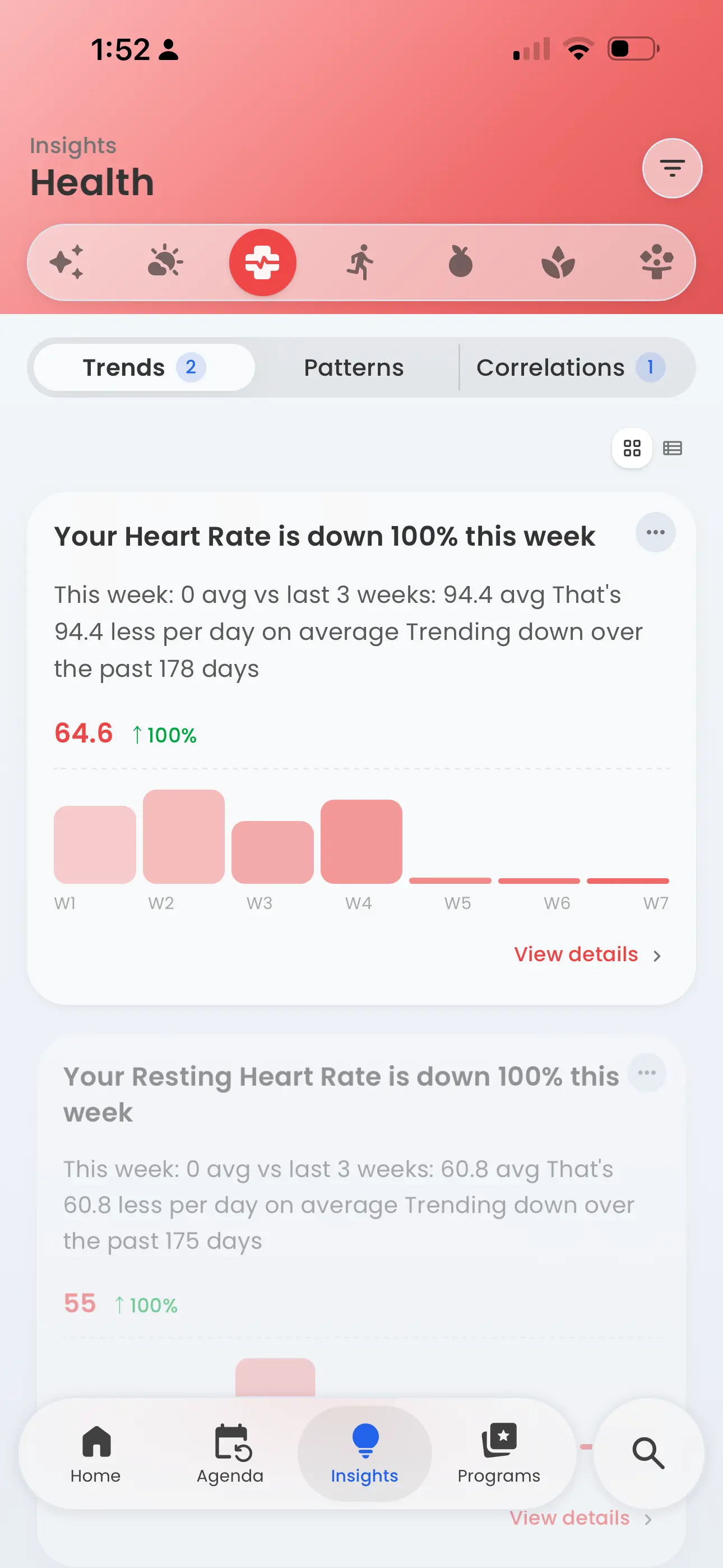
A month of logged data is a different conversation than “I've been feeling pretty bad.”
Best Life won't diagnose you. It won't replace your care team. But it can give you something you've probably been missing: a clear, honest record of what your body is doing — over time, in your own words. That's more useful than it sounds, especially when you're trying to be taken seriously.